
Contents
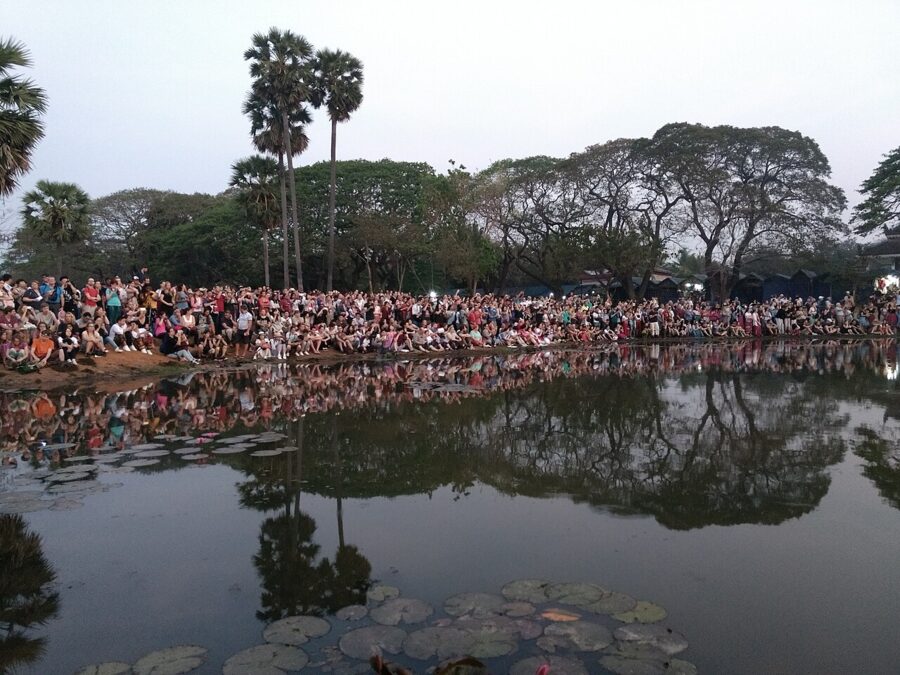

Buy tomorrow’s Angkor Pass after 4:45 in the afternoon and you can use it straight away. Angkor Enterprise, the state body that sells every ticket to the park, lets a pass dated for the next day through the gates that same evening, so the sunset from Phnom Bakheng or Pre Rup comes free with the day you paid for. It is the most useful rule in the whole system, and the one most people only hear about after their tuk-tuk has left the ticket office.

The rest is simpler than the queue suggests. There are three passes, priced in US dollars and sold only by Angkor Enterprise, at its ticket office, on its website and app, and from its machines. Each works a little differently as of November 2026, the multi-day passes carry your photo, and a few of the best day trips want a ticket of their own.

Three passes, three prices
The Angkor Pass is a single ticket to the Angkor Archaeological Park, the temples in and around the old capital north of Siem Reap. Angkor Enterprise’s ticket page lists three versions, and the prices have not moved since 2017. As of November 2026 they stand like this:
| Pass | Price | Days of entry | Must be used within | Photo on the pass |
|---|---|---|---|---|
| 1-day | US$37 | 1 | The date on the ticket | No |
| 3-day | US$62 | Any 3 | 7 days from the first | Yes |
| 7-day | US$72 | Any 7 | 30 days from the first | Yes |
The days do not have to be consecutive. A 3-day pass can cover Monday, Wednesday and Friday, with a day by the pool or on the Tonle Sap in between, and only the days you enter are counted. Children under 12 need no ticket at all.
One number needs a warning. Older guides, and a line of text still sitting in Angkor Enterprise’s own booking app, give the 3-day pass a ten-day window. The ticket page now says it expires seven days after you start, and that is the figure I would plan around: spread three temple days over more than a week and the pass runs out before the third.

What the pass covers
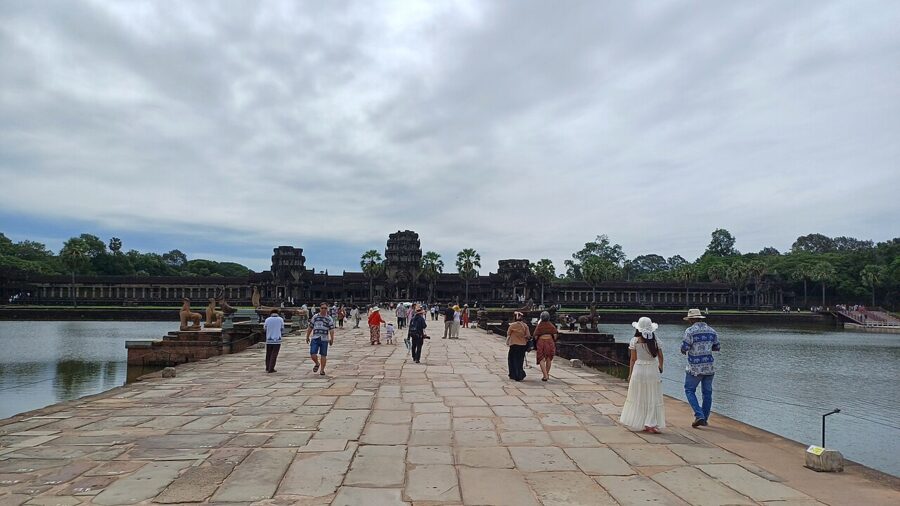
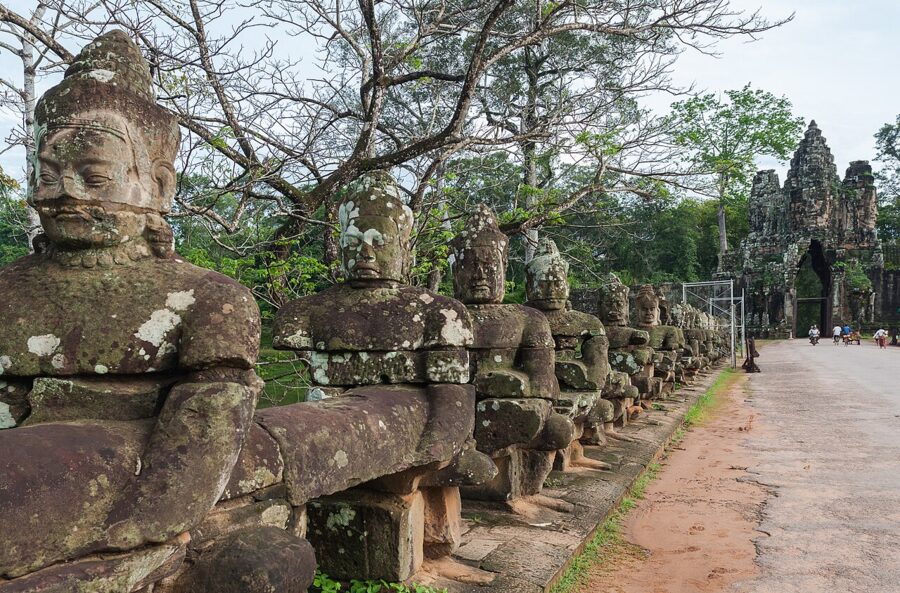
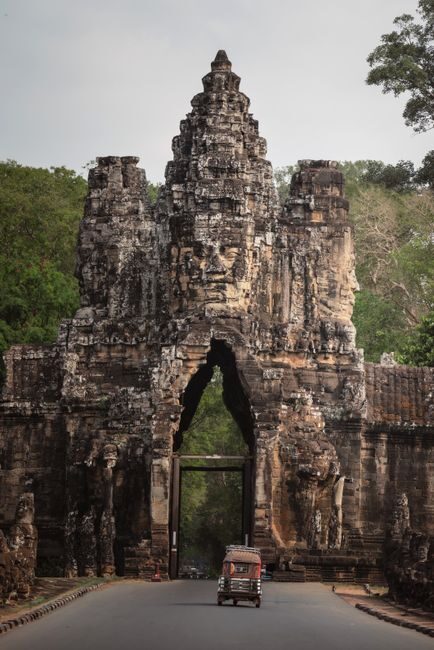
Angkor Enterprise puts it in one sentence: the ticket includes access to all temples within the Angkor Archaeological Park. That means Angkor Wat, the walled city of Angkor Thom with the Bayon at its centre, Ta Prohm and the rest of the inner temples, plus Banteay Srei and the Roluos group further out.
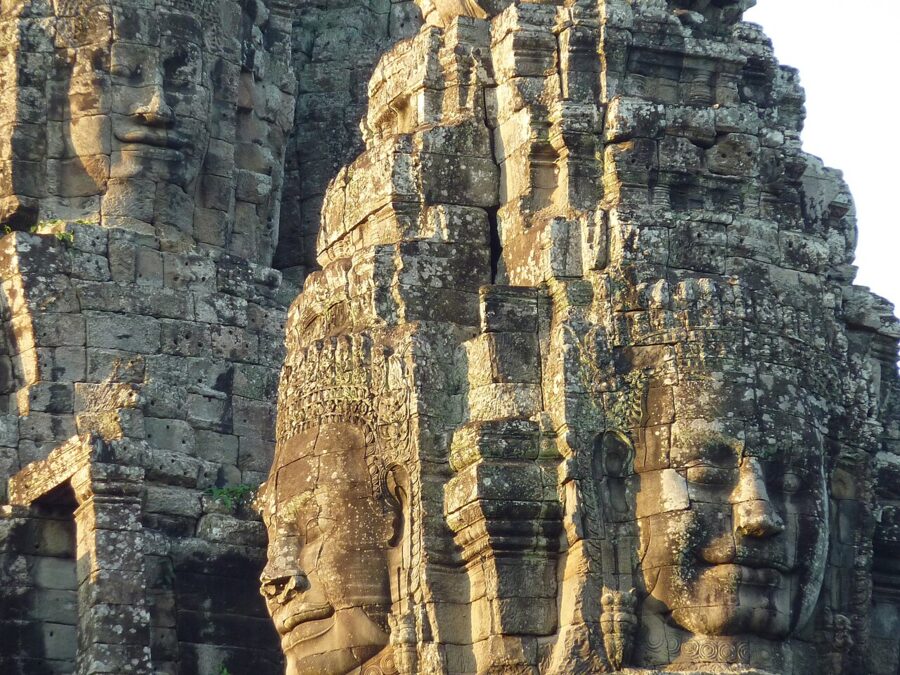

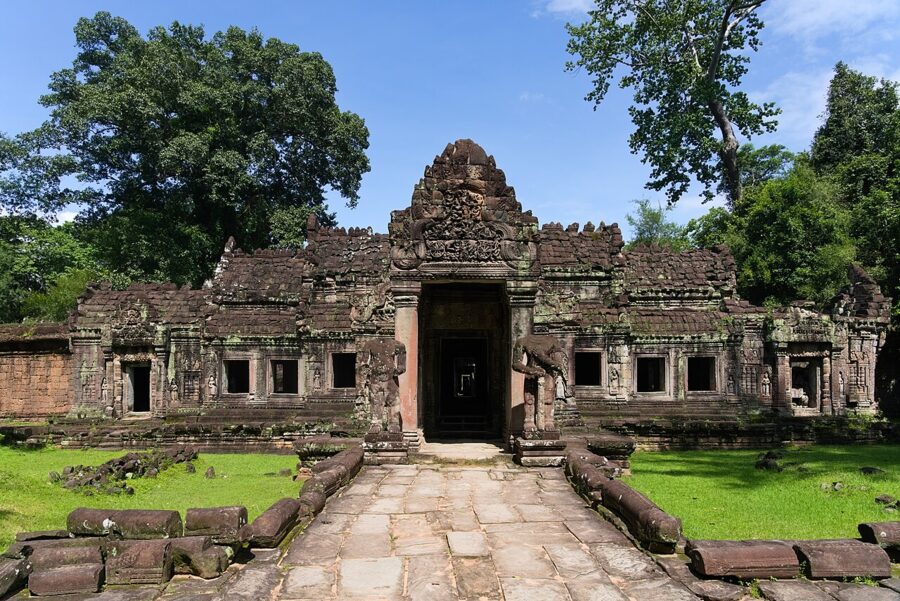
The 1-day and multi-day passes open the same gates. Angkor Enterprise’s FAQ does suggest a different shape of visit for each: the Small Circuit in a single day (Angkor Wat, Phnom Bakheng, the Bayon, Chau Say Tevoda, Ta Keo, Ta Prohm, Banteay Kdei, Prasat Kravan, Srah Srang and some smaller shrines), and the Grand Circuit added on a 3-day or 7-day pass (Preah Khan, Neak Pean, Ta Som, East Mebon, Pre Rup and the North Baray among them). That is advice about time, not a rule about access.


Who pays less, or nothing
Cambodian citizens enter free, as do children under 12, although staff may ask for a child’s passport as proof of age. Foreign residents holding a Cambodian visa of two years or longer can apply to Angkor Enterprise for a separate Special Pass. There are no senior or disability discounts.
Where to buy it, and how
Angkor Enterprise is blunt: its ticket office is the only place to buy entry to the park, and tickets bought elsewhere are not valid. In practice that covers its counters, its website, the Angkor Pass app, its self-service machines and licensed tour guides buying on your behalf. Booking sites that sell “Angkor tickets” are buying the same pass for you with a fee on top; if what arrives is not an Angkor Enterprise ticket with its QR code, it is not a ticket.
The ticket office
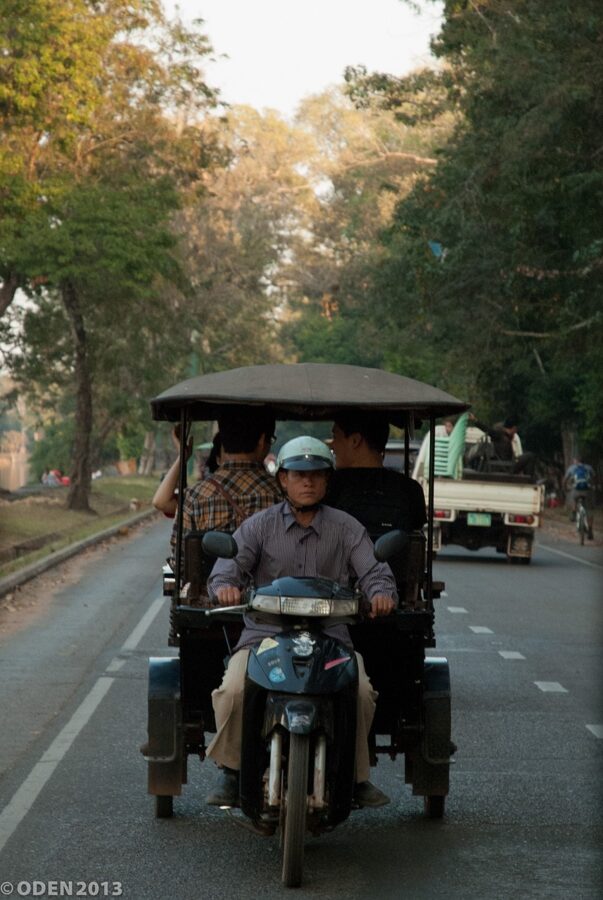
The Angkor Ticket Office stands on Road 60, about 4 kilometres (2.5 miles) from the centre of Siem Reap, on the way to the temples; nothing is sold at the temple gates. As of early 2026 the counters open at 5:00 AM and close at 5:30 PM. They take Visa, Mastercard, UnionPay, JCB, Diners Club and Discover as well as US dollars, and there is a cash machine on site.
A 1-day pass takes a minute. For a 3-day or 7-day pass the clerk photographs you at the window and prints the picture on the pass, so take off your sunglasses and hold your hat. The longest queues come before dawn, when everyone is buying for sunrise, so the afternoon before is the time to go.
Online, and what the e-ticket looks like
Angkor Enterprise’s online shop and its app sell the same three passes at the same prices, with no booking fee of its own. You buy with an account or as a guest, choose your first date of entry and pay by card; the price is in US dollars, so your bank may add an exchange charge. One order holds up to ten tickets, and only visitors aged 12 and over can be ticketed.
Buy at least the day before. The system will not sell a ticket for the same day after 4:30 PM, and a 5:00 AM sunrise needs the ticket on your phone before you go to bed. Every sale is final: paid tickets are not refunded and cannot be transferred.
What arrives is a paperless e-ticket. Guests get a single PDF by email holding every ticket in the order; account holders also find them in the app. Each carries a QR code, the date of entry, the date of expiry and, on the multi-day passes, your photo. Show it on a screen or on paper, and keep a screenshot too, because signal around the outer temples comes and goes.
If you have paid but no ticket arrives, check the junk folder and the address you typed. If a payment fails, Angkor Enterprise asks you not to keep retrying, which can charge your card twice; write to its support desk with the payment details instead.
The photo
Online, the photo is where most orders stall. The system runs a face check on the upload and refuses pictures with no face, more than one face, a face too close or too far, or one off-centre. The written rules add the rest: a portrait taken within the last three months, unedited, in colour, with no hand gestures.
The reason is at the checkpoints. Staff compare the face on the pass with the face in front of them, and Angkor Enterprise reserves the right to refuse entry if they do not match. A passport-style photo works; a cropped holiday selfie in sunglasses does not.
Machines
Self-service machines sell 1-day passes only, paid by card, KHQR, Alipay or WeChat. As of early 2026 there is one at the Heritage Walk shopping centre in town and one by the western entrance to Angkor Wat. Handy for a last-minute single day, useless for a 3-day pass.

Using it in the park
The pass card gives the park’s hours as entry from 5:00 AM and closing at 6:30 PM, but each temple keeps its own. Angkor Enterprise’s temple pages list these, as of November 2026:
| Temple | Open | Close |
|---|---|---|
| Angkor Wat | 5:00 AM | 5:30 PM |
| Phnom Bakheng | 5:00 AM | 7:00 PM |
| Preah Khan | 7:00 AM | 6:30 PM |
| Bayon | 7:30 AM | 5:30 PM |
| Baphuon | 7:30 AM | 5:30 PM |
| Banteay Srei | 7:30 AM | 5:30 PM |
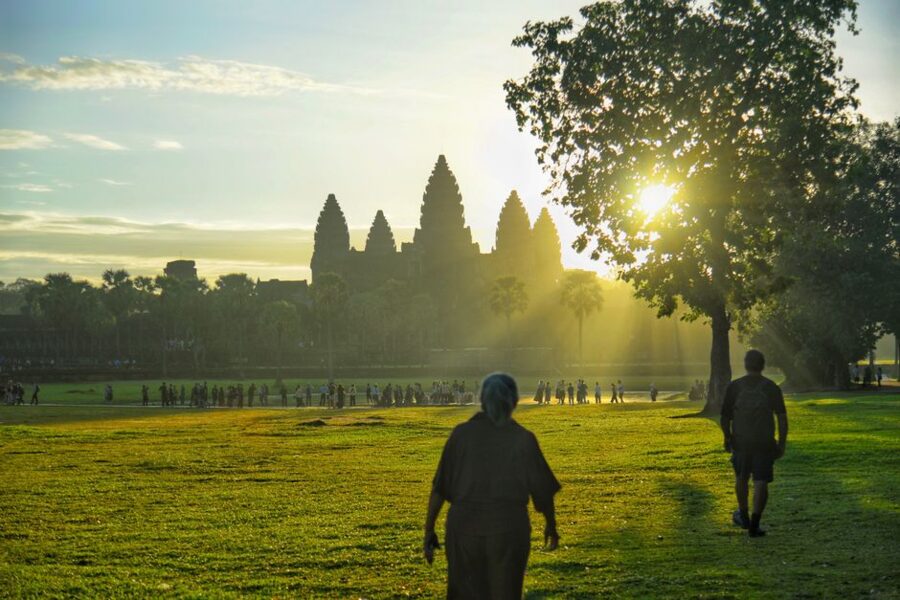
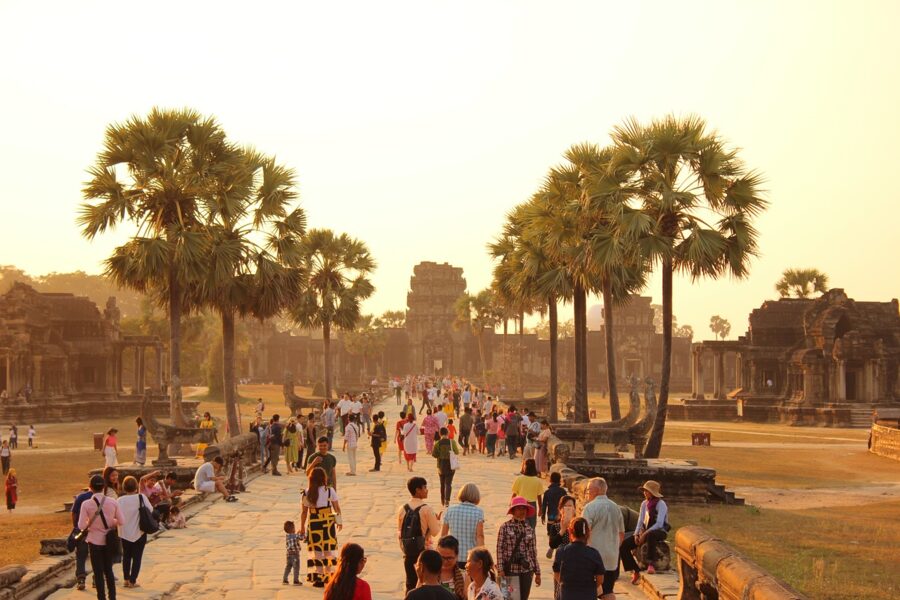
The early and late hours exist for sunrise and sunset. Angkor Wat opens at 5:00 AM for the towers over the north pond; Phnom Bakheng stays open until 7:00 PM for the sunset. Pre Rup and Srah Srang are the other usual dawn and dusk places, and they too keep longer hours than the temples around them.
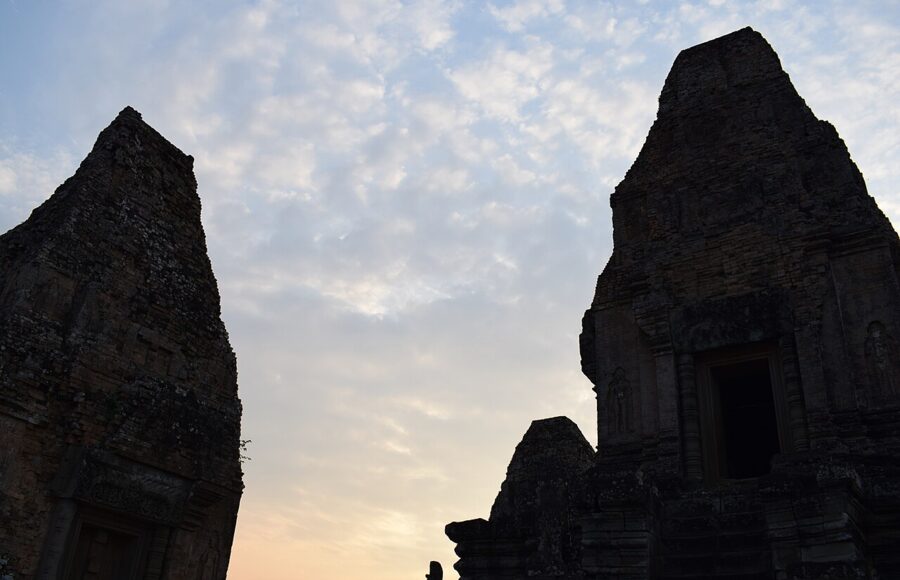

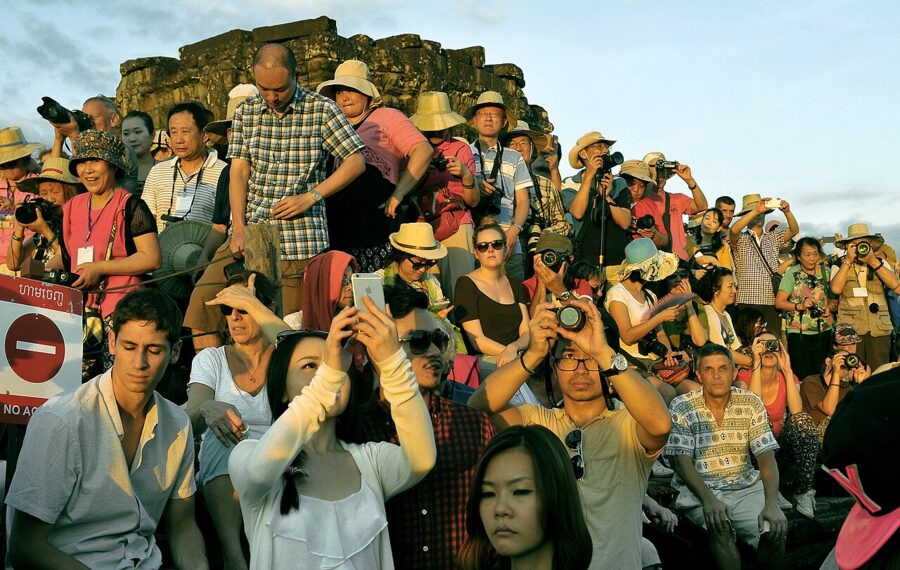
Phnom Bakheng is the one that runs out of room. Only about 300 people are allowed on the summit at once, and on a high-season weekend the quota can fill well before sunset. Arrive by half past three, or go to Pre Rup.
The 4:45 PM rule, exactly
Angkor Enterprise’s FAQ states it plainly: buy a ticket dated for tomorrow after 4:45 PM and you may enter the park that evening for sunset, then use the ticket for its full validity the next day. The evening does not count as one of your days. It applies to the 1-day pass, so a single US$37 ticket covers a sunset, a sunrise and a full day of temples.
The window is short. The counters close at 5:30 PM and Phnom Bakheng’s summit may already be full, so the best use of the rule is usually Pre Rup or the outer walls of Angkor Wat.


The checks
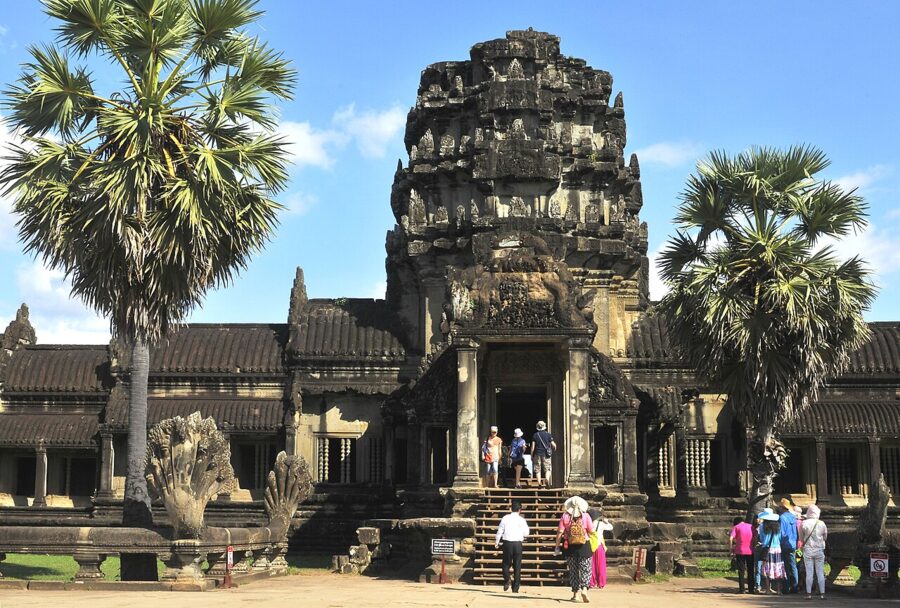
There is no single gate into the park. Your pass is scanned by staff with handheld readers at the entrance to each temple, and at the gates of Angkor Thom, so carry it all day. A group order can sit under one QR code, which means whoever holds the phone stays with the group. On a multi-day pass the photo is checked here too.

Dress, the upper level and the children’s rule
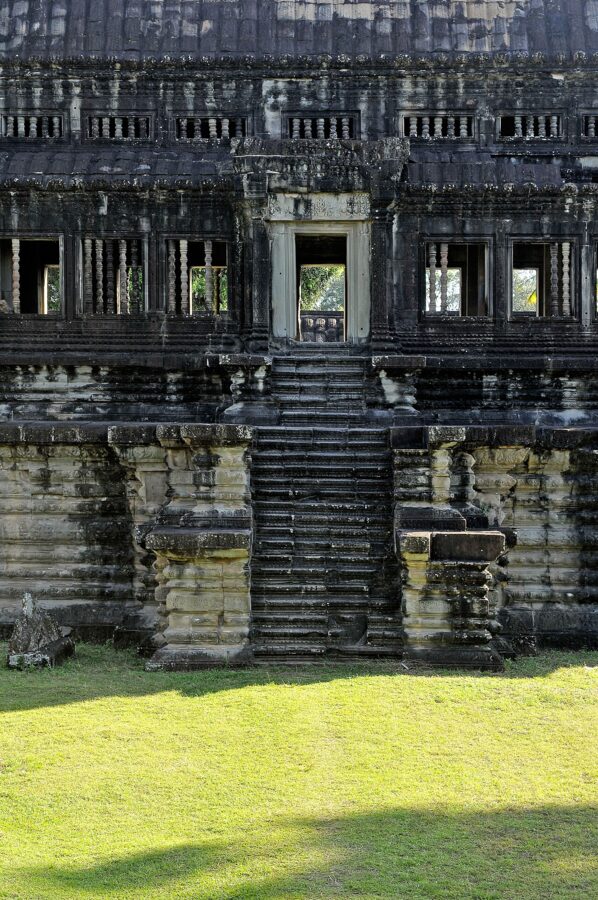
Angkor is a working religious site, and the APSARA National Authority’s code of conduct asks for shoulders and knees to be covered. It is enforced hardest at the top of Angkor Wat, the central tower known as the Bakan, where staff turn people away in vests and shorts. The Bakan also shuts on Buddhist holy days.
Children under 12 are not allowed up the Bakan at all, because the stairs are steep enough to frighten adults. With small children, plan for one parent to climb while the other waits below.

If you lose it
A lost e-ticket is a small problem: open the email or the app again. A lost printed pass is more serious, since the paper is the ticket. Angkor Enterprise’s advice is to contact its customer support at once with your proof of purchase, the receipt or confirmation email, and it may be able to re-issue or verify the ticket. Support answers daily from 5:30 AM to 5:00 PM at [email protected].
Nothing in the rules promises a replacement, so keep the receipt for the life of the pass and photograph the pass itself on the first morning.
The places your pass does not open
Several of the best day trips from Siem Reap sit outside the archaeological park and sell their own tickets. Angkor Enterprise runs most of them; the mountain of Phnom Kulen is the exception.
| Site | Ticket | Sold by | Notes |
|---|---|---|---|
| Koh Ker | US$15, one day | Angkor Enterprise | Not covered by the Angkor Pass. Open 6:00 AM to 6:30 PM. |
| Beng Mealea | US$10, one day | Angkor Enterprise | Single-site ticket; see below on the Angkor Pass. |
| Kbal Spean | US$5, one day | Angkor Enterprise | Single-site ticket; see below on the Angkor Pass. |
| Phnom Kulen | US$20 | Kulen National Park, at the checkpoint | Cash only. The Angkor Pass is not accepted. |
Koh Ker
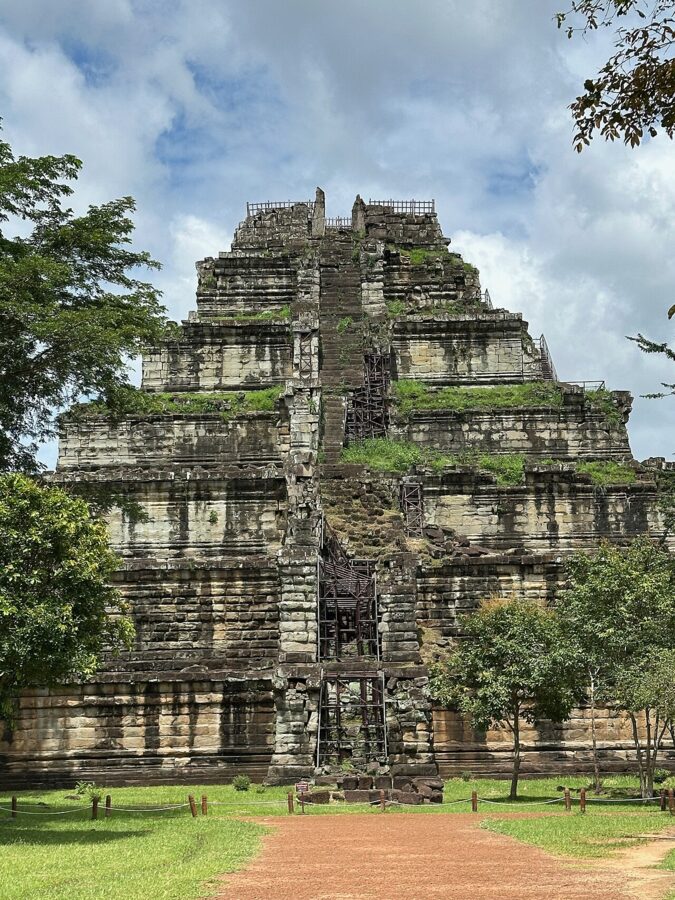
Koh Ker is the one most people underestimate. UNESCO listed it as a World Heritage site in 2023: the capital of Jayavarman IV, about 80 kilometres (50 miles) north-east of Angkor, and for a few years in the 10th century the only capital of the Khmer empire. UNESCO’s own summary gives its start as 921 in one place and 928 in another; both end in 944.
Its ticket, US$15 as of November 2026, is sold by Angkor Enterprise online and in the app alongside the Angkor Pass, and it is a separate purchase. Only foreign residents with the Special Pass have one card that covers both.

Beng Mealea and Kbal Spean
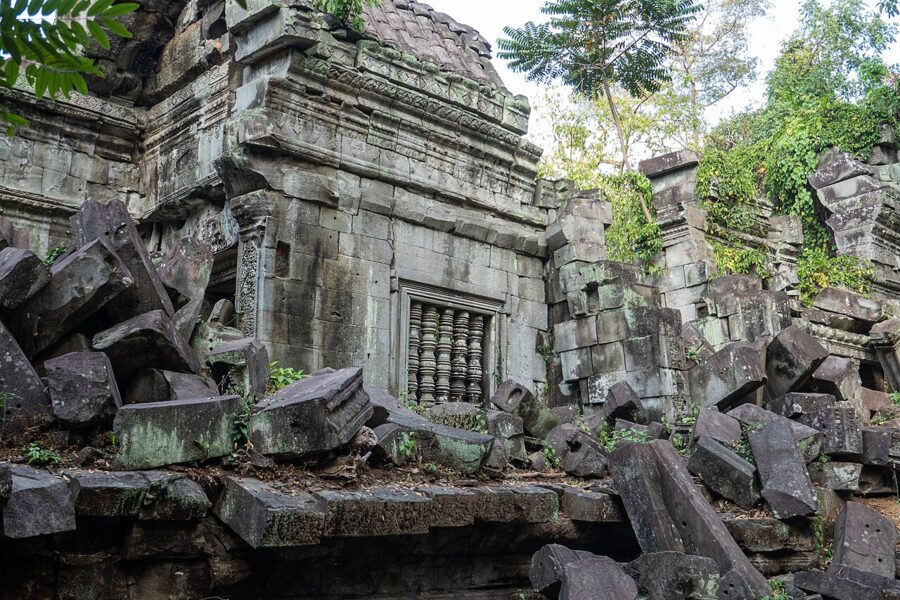
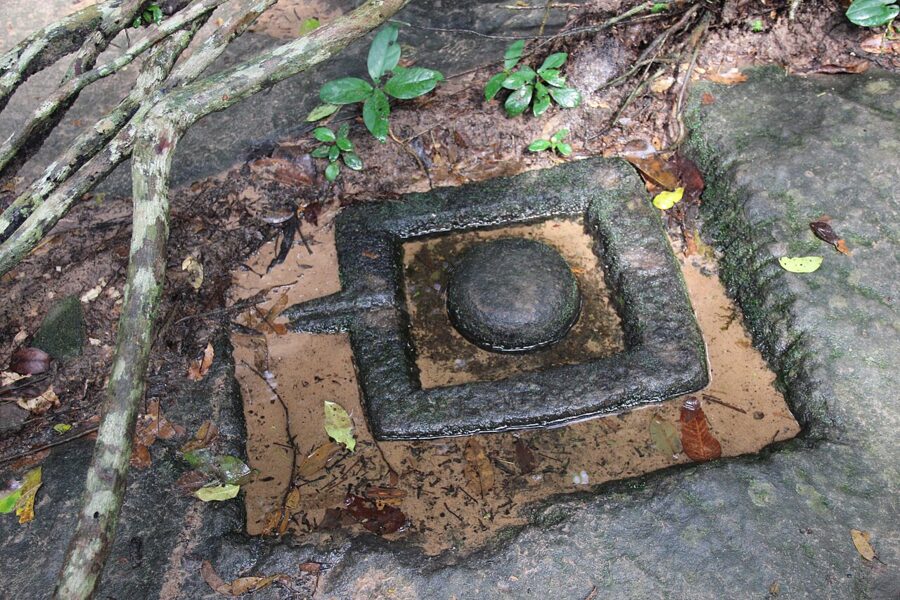
Here the picture is muddier. Angkor Enterprise sells single-site tickets for both, US$10 for Beng Mealea and US$5 for Kbal Spean as of November 2026. Several current guides say the Angkor Pass is accepted at both, but Angkor Enterprise’s own pages list them only as separate tickets, and I could not find it saying the pass covers either.
Carry your Angkor Pass and be ready to pay the single-site price if the checkpoint asks. If Beng Mealea is your only temple, simply buy its US$10 ticket.

Phnom Kulen
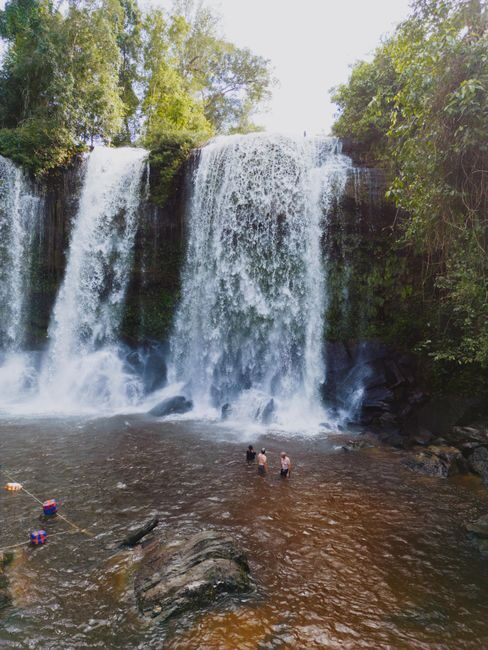
The sacred mountain north of Angkor has its own national park and its own fee: US$20 for each foreign visitor, children included, paid in cash in US dollars or riel at the checkpoint at the foot of the mountain, as of October 2026. The Angkor Pass is not accepted. Cambodians go free.
The road runs one way at a time: up from about 7:00 to 11:00 AM, down from around 11:45. Miss the morning window and you are not going up that day, so Kulen is a trip to start early and on its own.
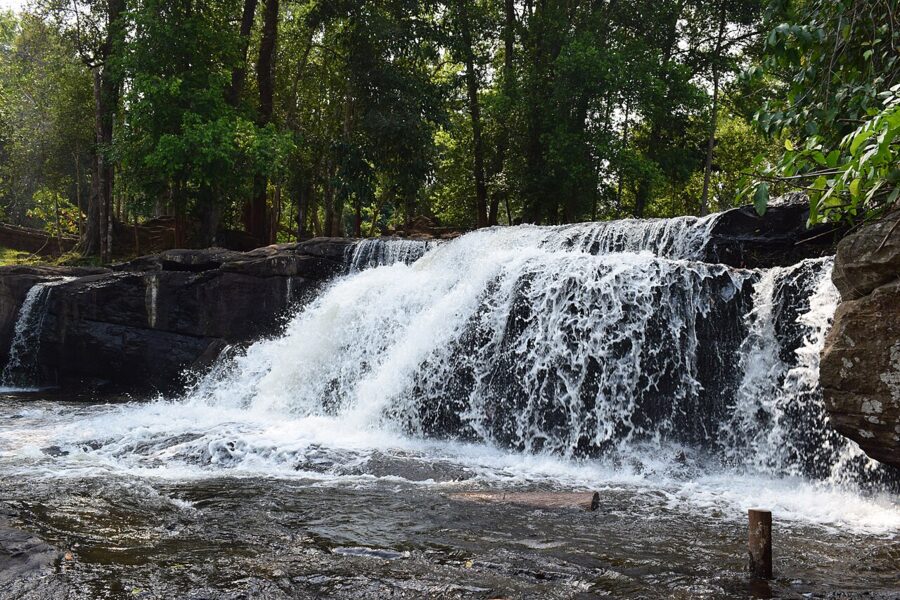

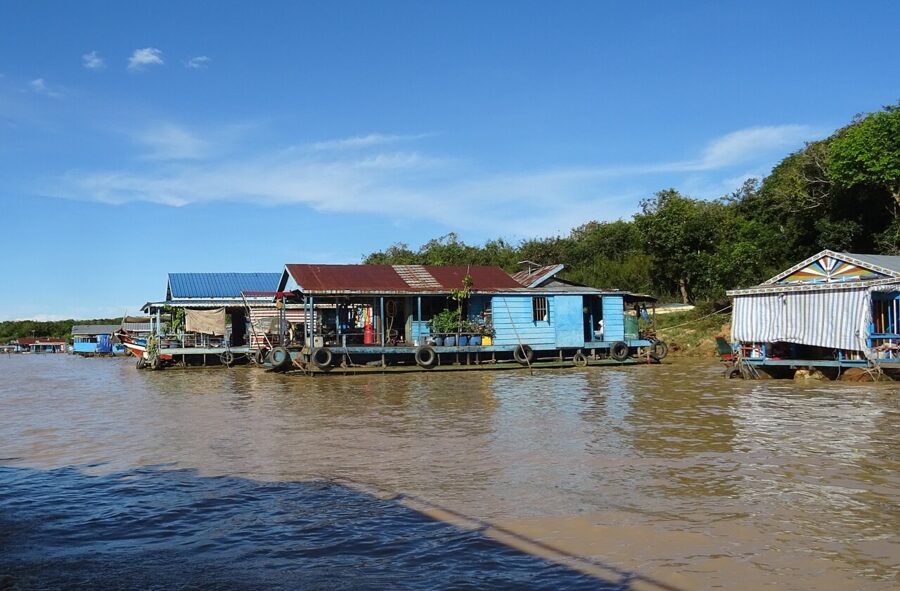
The boat to Chong Kneas
Angkor Enterprise also sells the boat tickets at Chong Kneas, the floating village on the Tonle Sap south of town. These are sold only at the counter by the water, never online, and priced by the boat rather than the person.

Further afield, the pass means nothing. The Tuol Sleng Genocide Museum in Phnom Penh, and the waterfalls near Sihanoukville such as Kbal Chhay, keep their own gates.
Which pass for which trip
The arithmetic is short. Two 1-day passes cost US$74, more than one 3-day pass at US$62, so two days in the park means the 3-day pass even if you use only two of its days. The 7-day pass is only US$10 more than the 3-day, so four or more temple days within a month make it the obvious choice.
- One day in Siem Reap: the 1-day pass, bought after 4:45 PM the day before for a sunset, then sunrise at Angkor Wat, Angkor Thom, the Bayon and Ta Prohm. A long, hot day, and enough for the great three.
- Two to four days: the 3-day pass, with the Small Circuit on one day, the Grand Circuit on another, and Banteay Srei and the Roluos group on the third, all inside the seven-day window.
- Five days or more: the 7-day pass, used on days of your choosing across a month, with Koh Ker or Kulen slotted in on their own tickets.
Is one day enough? For Angkor Wat, yes. For Angkor, no: a single day leaves out Preah Khan, Banteay Srei and almost everything beyond the inner circuit. A plan for five days around Siem Reap shows how three temple days and the trips beyond them fit together.
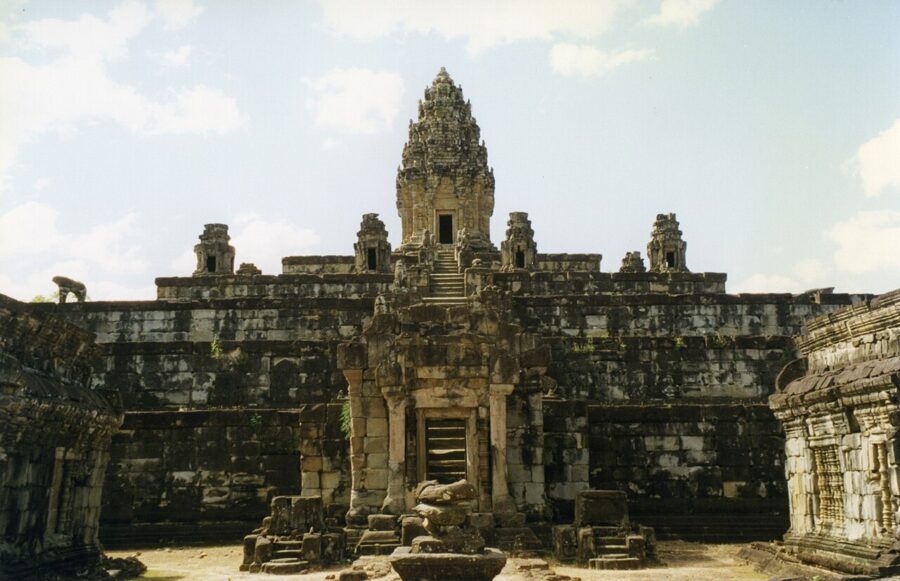

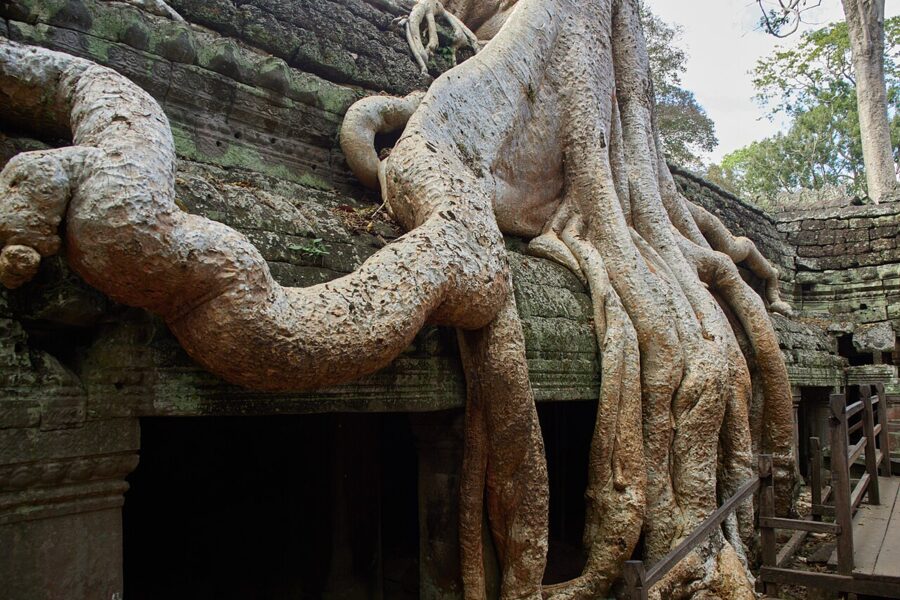
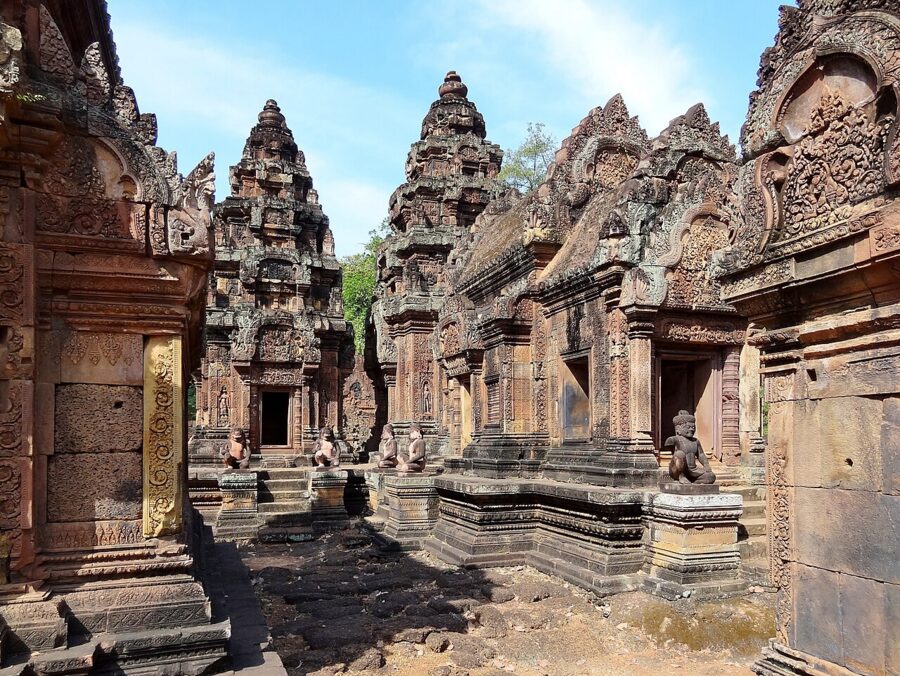

The temples are quieter than they were: Angkor Enterprise sold 474,993 tickets in the first eight months of 2026, down by close to a third on the year before. The best start has not changed, though. Buy tomorrow’s pass after 4:45 PM, watch the sun go down from Pre Rup, and let the next morning count as day one.